Planning a capital campaign is easier with a few real ones in front of you. These capital campaign examples show how long each one ran and what happened once the goal was reached. We made gifts for 3 of them, so you can also see how those institutions thanked the people who got them there.
A capital campaign has a fixed goal and an end date
A capital campaign is a fundraising effort with a fixed goal and end date, for a defined purpose such as a new building, a renovation, major equipment or endowment. Most open with a quiet phase of leadership gifts before going public at a launch. At the close there is usually a celebration, and a report to donors on what the money did.
A comprehensive campaign counts all giving toward 1 goal
A building campaign raises money for 1 project, while a comprehensive campaign counts all giving during the campaign years toward a single total, from annual gifts to planned gifts. Comprehensive campaigns are common at universities and large museums, and less so at smaller nonprofits, which more often raise for a single building.
Capital campaign examples at a glance
| Institution | Campaign | Goal | Raised | Dates | How it was marked |
|---|---|---|---|---|---|
| Cornell University | Far Above, later Cornell Now | $5.75 billion, expanded | $6.36 billion | Launched 2006, closed December 31, 2015 | Alumni Collection, Saxony wool scarf, medallion badge |
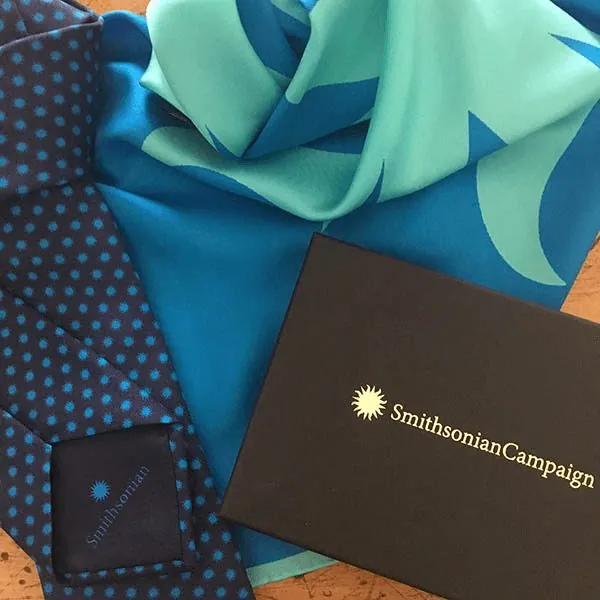
| Smithsonian Institution | The Smithsonian Campaign | $1.5 billion | $1.88 billion | Announced October 2014, closed at the end of 2017 | Silk scarf and tie built on the Smithsonian sunburst |
| Lurie Children's Hospital of Chicago | For Every Child | Not covered here | Not covered here | Not covered here | Pashmina and silk tie for the campaign launch |
| Margaret Mary Health Foundation | Ensuring Generations of Care | $10 million | $10.6 million | Began mid-2024, goal reached by September 2025 | Not a Harris Made project |
| Longmont Museum | Museum expansion campaign | $8.1 million, later expanded | $10.2 million | Launched 2023, total reported February 2026 | Not a Harris Made project |
The figures come from the Cornell Chronicle, the Smithsonian newsdesk, Eagle Country Online and the City of Longmont, each linked again in its section below.
Cornell passed an expanded goal of $5.75 billion
Cornell's campaign was initiated in 2004, launched publicly as Far Above in 2006 and later re-envisioned as Cornell Now. When it ended on December 31, 2015, Cornell had raised $6.36 billion for universitywide priorities, passing an expanded goal of $5.75 billion, with support from more than 175,000 donors. The university celebrated the close at an event in New York City.
Cornell raised its target partway through the campaign and still passed it, so a goal set at the start does not have to be the final one.
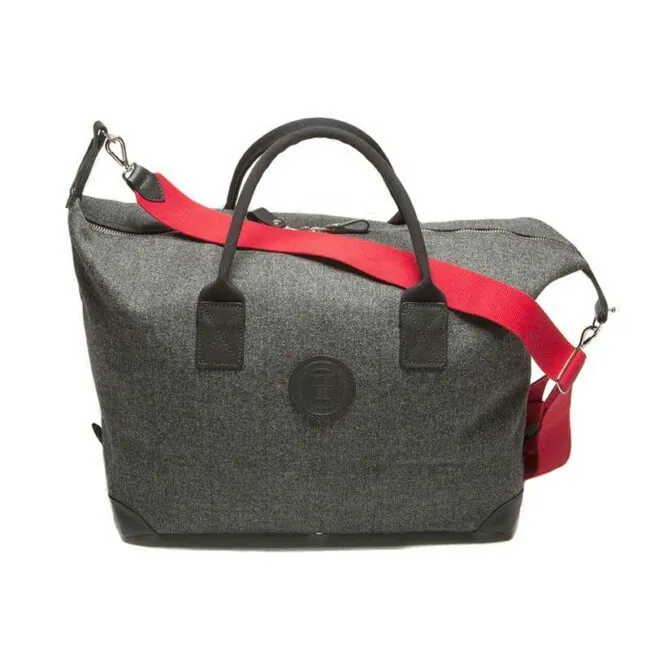
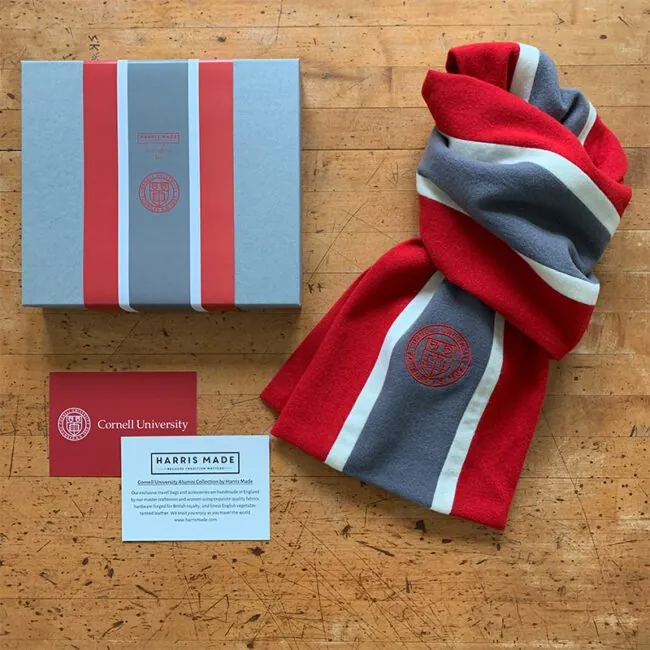
After the $6.36 billion campaign, we curated a made-to-order Alumni Collection for Cornell, alongside a Saxony wool scarf and a medallion badge. See Cornell's Alumni Collection.
"Our Harris Made Alumni Collection is gorgeous! We have nothing but praise. I highly recommend working with Harris Made." James Best, General Merchandise Manager, The Cornell Store, Cornell University
The Smithsonian Campaign passed its goal and kept going
The Smithsonian announced its campaign in October 2014 with a goal of $1.5 billion, drawing on its 19 museums, the National Zoo and 9 research centers. It passed the goal in October 2016 and kept going to its planned end in 2017. The campaign closed with $1.88 billion in private support, which the Smithsonian called the largest amount ever raised in a campaign by a cultural organization.
Reaching the goal early was treated as a reason to keep asking until the planned end date.
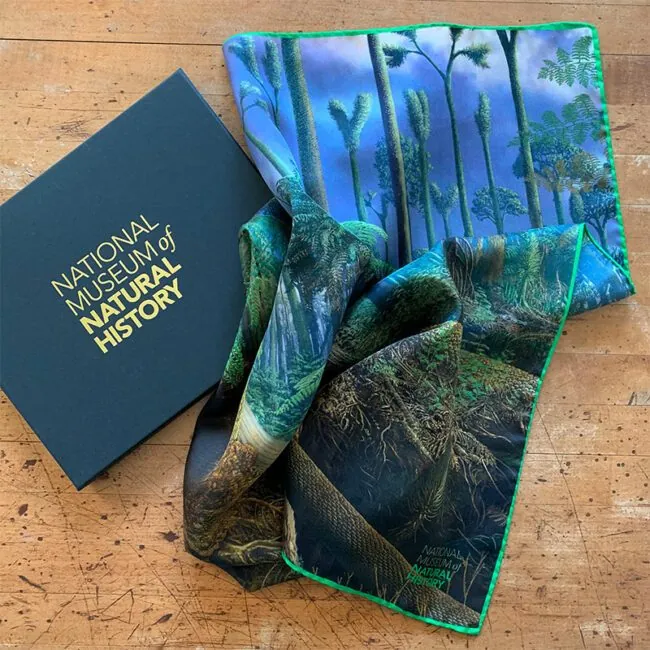
We made a silk scarf and tie built on the Smithsonian sunburst for the campaign, and a second silk scarf, printed with a Carboniferous Forest, for the National Museum of Natural History. See the Smithsonian sunburst scarf and tie, and our page on gifts for museums.
Lurie Children's marked the launch of For Every Child
For the launch of Lurie Children's For Every Child campaign, we made a pashmina and a silk tie. A launch gift thanks the people who made the quiet phase work. It also puts the campaign's identity in front of everyone in the room on the day the goal goes public.
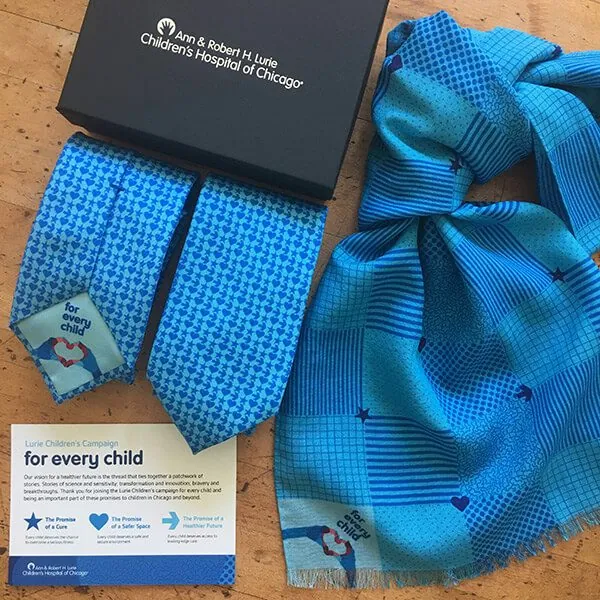
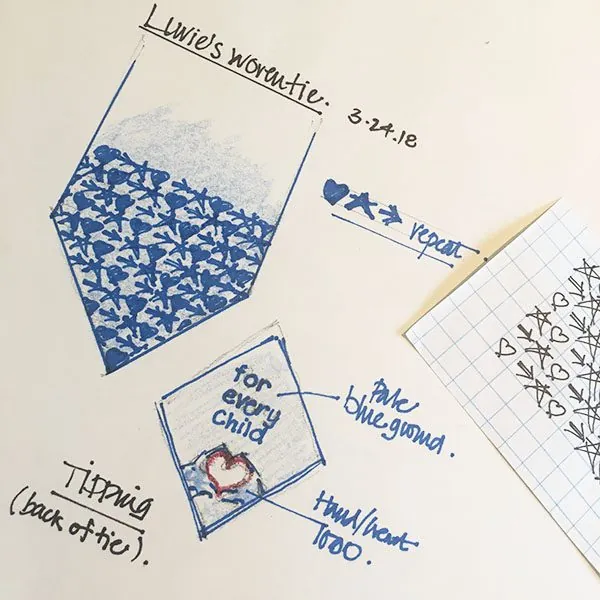
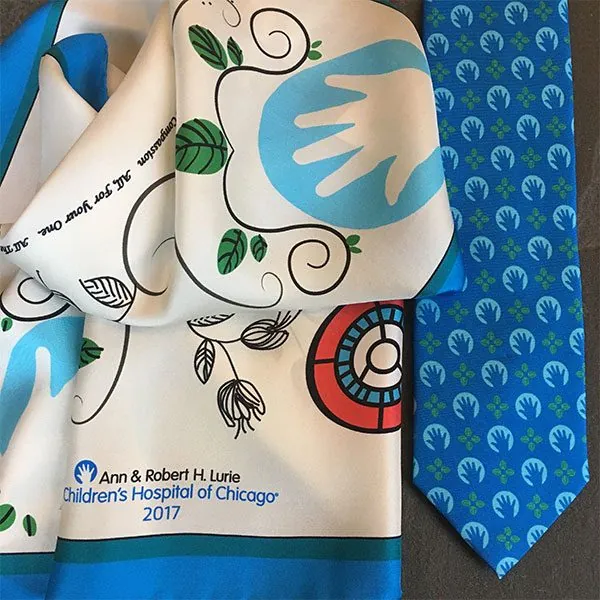
Lurie Children's also commissioned a silk scarf and tie designed with a student from the Art Institute of Chicago. Both projects began as Emma's hand-drawn sketches. See Lurie Children's launch gifts, and our page on gifts for hospital foundations.
Smaller nonprofit campaigns follow the same pattern
Smaller campaigns have the same parts: a clear project and a public goal, with leadership gifts behind it that make the goal believable. These 2 nonprofit capital campaign examples raised a small fraction of Cornell's total.
A hospital foundation reached its goal more than a year early
Margaret Mary Health Foundation in Batesville, Indiana, began its Ensuring Generations of Care campaign in mid-2024, aiming to raise $10 million by December 2026 for a replacement hospital. In September 2025 it announced that it had raised $10.6 million, more than a year ahead of schedule.
A community museum raised its target and passed it
The Longmont Museum in Colorado launched a campaign in 2023 to expand its building. It first aimed for $8.1 million, then expanded the target to meet the community's needs. In February 2026 the City of Longmont reported that the campaign had raised $10.2 million. The money goes to a larger feature gallery and 2 new ones, a children's gallery and a permanent history gallery.
A smaller organization can borrow the structure of the big campaigns and scale it down. That means a short feasibility study and a handful of leadership gifts secured before the announcement, then a launch event, and a clear report when the building opens. With a smaller circle of lead donors, each of them can be thanked in person, with something made for the occasion.
Every campaign moves through 5 phases
Most capital campaigns pass through the same 5 phases. This capital campaign timeline maps the 2 largest examples above onto them.
| Phase | What happens | Cornell | Smithsonian |
|---|---|---|---|
| Planning and feasibility | Test the goal with likely donors, set priorities and recruit leaders | Initiated in 2004 | Before October 2014 |
| Quiet phase | Secure leadership gifts before any public announcement | 2004 to 2006 | Before October 2014 |
| Public launch | Announce the goal and the gifts already committed | Launched as Far Above in 2006 | Announced in October 2014 |
| Public phase | Widen the ask to every donor | 2006 to 2015, with the goal expanded to $5.75 billion | October 2014 to 2017, goal passed in October 2016 |
| Close and stewardship | Celebrate, report impact and thank donors | Closed December 31, 2015, celebrated in New York City | Closed in 2017 with $1.88 billion |
The quiet phase secures the leadership gifts
Gifts from board members and the closest donors set the pace for everyone else, and by launch day they give the campaign a total worth announcing. This is also when campaign leaders and lead donors should be thanked, privately.
The public launch is the campaign's biggest moment
The launch is the day the goal becomes public. It is usually an event where the campaign's name and mark are shown for the first time, with the people who made the quiet phase work in the room. A gift in the campaign's colors gives them something to take home from it.
The close is the time to thank everyone
When the campaign ends, the work turns to stewardship. There is usually a celebration and an impact report, and lead donors and volunteers should get a lasting thank-you. Volunteers are easy to forget at this point. Cabinet members, class chairs and regional hosts gave years of evenings to the campaign, and the next one will need many of them again. Our donor stewardship guide and our post on donor impact reports cover what comes next.
Starting a capital campaign takes 6 decisions
- Run a feasibility study. Interview likely lead donors before you set the goal. The study tells you what the goal can be, and it quietly starts the conversations that become leadership gifts.
- Set the goal and the gift range chart. The chart shows how many gifts you need at each level to reach the total. If the top of the chart has no names beside it, the goal is too high.
- Write the case for support. 1 clear document on what the money will do and why now. Every proposal in the campaign draws on it, down to the speeches at the launch.
- Recruit leadership. Find a campaign chair and build a cabinet around them. The board should give first, since donors watch what the board does before they decide.
- Build the campaign identity. Choose a name and a mark, and a slogan if you want one, then use them on everything the campaign produces, gifts included. Settle it before the quiet phase ends, because the launch depends on it.
- Plan recognition. Decide how donors at each level will be thanked, from naming opportunities to the gifts they keep. Recognition promised in the quiet phase has to be delivered at the close.
Campaign fundraising ideas work at any size
- Naming opportunities. Rooms, labs, chairs and scholarships named for donors at set levels.
- Leadership gift challenges. A lead donor matches new gifts up to a set amount.
- Challenge grants. A foundation gift released when the campaign reaches a milestone.
- Matching gifts. Employers who match their employees' gifts.
- A giving day inside the campaign. 24 hours that bring in first-time donors.
- A launch event. The public announcement, with the campaign identity on show.
- A donor wall. Permanent recognition on site. Our post on donor wall ideas covers the options.
- Goals for classes and affinity groups. Reunion classes or regions set targets of their own, and former athletes can too.
Gifts mark the moments donors remember
Donors remember a campaign's launch and its close, and the milestones in between. A gift at those moments, given to the right people, carries the campaign mark home with them. For the centennial of Emory's Goizueta Business School, we made brass coasters for its 100 honorees. Our donor recognition gifts page shows the full range.
Design the gift from the campaign identity

Start from the campaign mark. The Smithsonian sunburst became a silk scarf and tie for the Smithsonian Campaign. Emma Harris designs every gift from hand-drawn sketches and hand-selects the materials, and once you approve the samples, the pieces are made in Britain by mills and a foundry that hold Royal Warrants.
Order during the quiet phase so gifts are ready for launch
Most projects take 8 to 16 weeks, and the requested minimum is 125 pieces per design. Brief us while leadership gifts are still coming in, so the gift is ready when the campaign goes public. If your launch date is set, ask us about timing. See how a Harris Made project works.
Match the gift to the giving level
Campaign volunteers and cabinet members
A lapel pin from $15 or enamel cufflinks from $45, worn at every campaign event.
Leadership donors
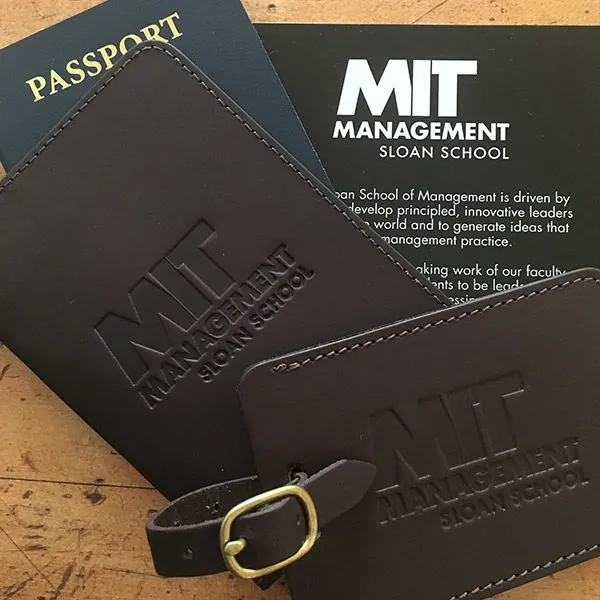
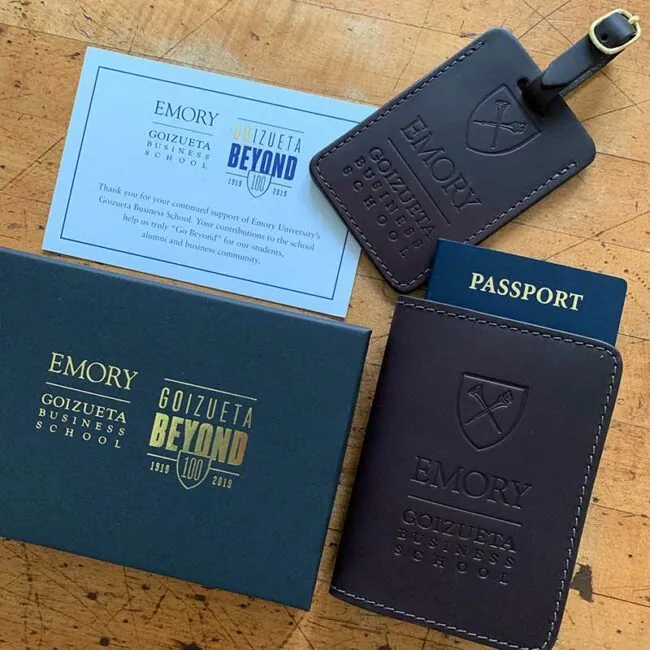
A medallion badge from $52, handmade in gold and silver gilt wire, or a brass paperweight from $58, engraved with the campaign mark. Embossed leather suits top donors as well: we made a passport holder and luggage tag for MIT Sloan's top donors, and leather goods for top donors at Emory's Goizueta Business School.
Campaign chairs and transformational donors
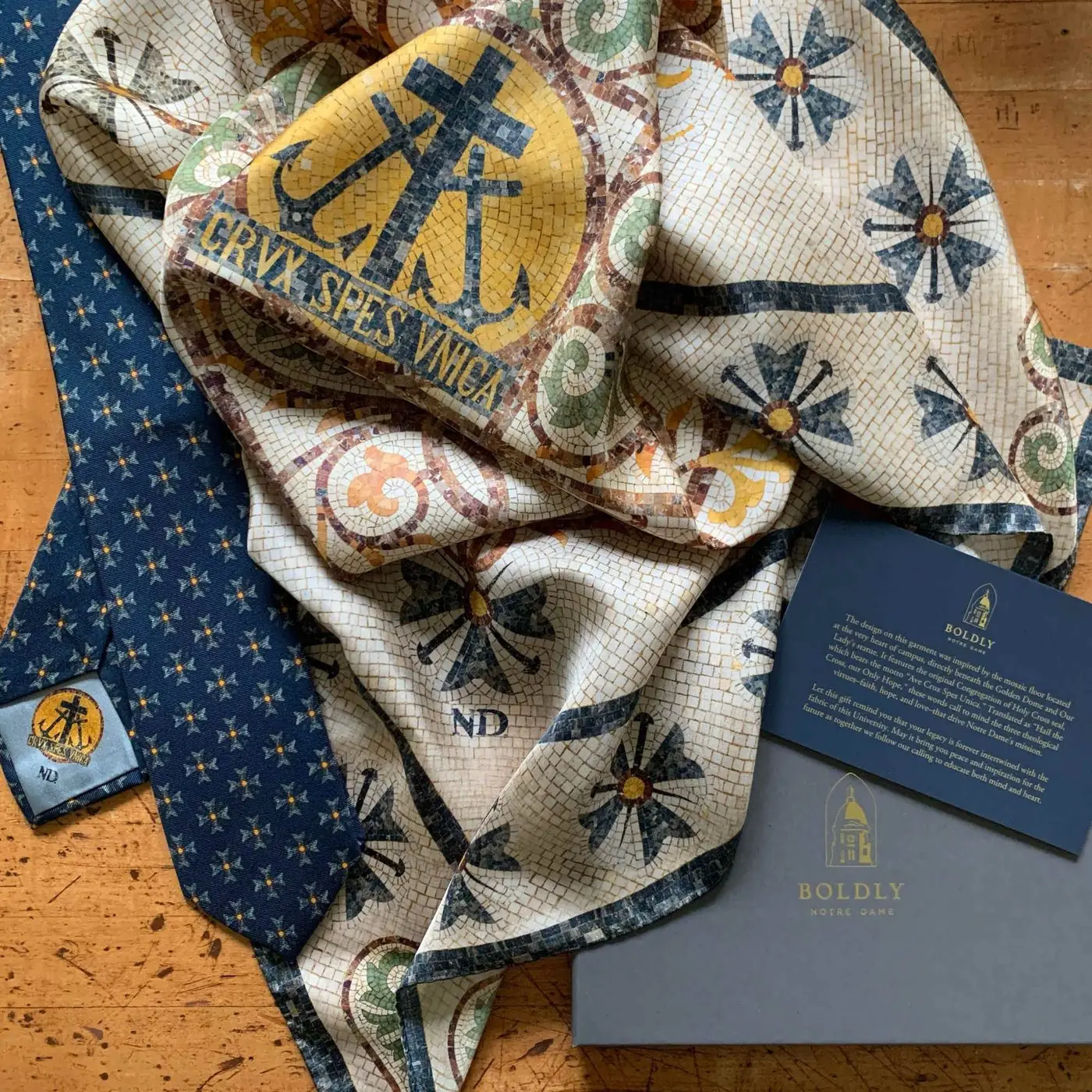
A silk pashmina gift set from $90, paired and hand-wrapped, or a silk scarf and tie drawn from the campaign itself.
Presentation carries the thank-you
Every gift is hand-wrapped in a foil-embossed luxury presentation box branded for your institution. Inside, your thank-you message is printed on a notecard with the gift's provenance on the reverse, so the story of the campaign travels with it.
These best practices come from the examples
- Set the goal from a feasibility study. Test it with the donors who will carry it.
- Secure leadership gifts before the launch. The quiet phase sets the pace.
- Make the public launch an event. Show the campaign identity and thank the people in the room.
- Keep going after the goal. The Smithsonian passed its goal more than a year early and kept asking.
- Let the goal grow when momentum allows. Cornell expanded its goal and still passed it.
- Report impact. Show donors what the campaign built.
- Steward donors after the close. Many of them will be asked again in the next campaign.
If your launch or close is coming up, our donor recognition gifts and donor recognition gift ideas show what we make. You can start a project when you are ready.
Frequently asked questions
Can you give examples of effective capital campaigns?
Cornell's Far Above campaign raised $6.36 billion against an expanded $5.75 billion goal and closed in 2015. The Smithsonian Campaign raised $1.88 billion against a $1.5 billion goal and closed in 2017. At a smaller scale, Margaret Mary Health Foundation raised $10.6 million against a $10 million goal more than a year early.
How long do capital campaigns last?
It depends on the size of the goal. Cornell's campaign ran from its start in 2004 to the end of 2015, and the Smithsonian's public phase ran from October 2014 into 2017. A smaller campaign, like Margaret Mary Health Foundation's, can reach its goal in about 15 months.
What are some examples of capital projects?
New buildings, renovations, hospital wings, museum galleries and major equipment. In a comprehensive campaign, endowed chairs and scholarships count too.
How much of a capital campaign is raised in the quiet phase?
There is no fixed rule. The quiet phase exists to secure leadership gifts before the public announcement, and a feasibility study helps set how much should be committed before launch.
What is the difference between a capital campaign and a comprehensive campaign?
A capital campaign raises money for a specific project, such as a building. A comprehensive campaign counts all giving during the campaign years, including annual and planned gifts, toward 1 goal.
How should you thank donors when a capital campaign ends?
Hold a celebration and send an impact report that shows what the campaign built. Lead donors and volunteers should also get a lasting gift that carries the campaign's identity, and our donor recognition gifts are made for that moment.