Good hospital foundation fundraising comes from reaching each group of people who care about the hospital in a way that suits them, and then thanking them well enough that they stay. We have grouped the 12 ideas below by audience, with a summary table first.
Hospital foundations raise money through many channels at once
Healthcare philanthropy is charitable giving to hospitals, health systems and health charities. Much of it reaches hospitals through a hospital foundation, a separate charity that raises and manages gifts for the hospital's priorities.
Alexander Haas, a fundraising consultancy, calls multiple channeled giving the hallmark of a successful foundation. Its list runs from personal asks, mail and email to events, annual gifts, multi-year commitments and planned gifts, all tied to the hospital's strategic plan.
We wrote this for foundation presidents and major gift officers, and for the donor relations and event teams who work alongside them. We design donor recognition gifts for hospitals and health foundations, so for each idea we have paid close attention to the point where it ends in thanks. Hospitals we have made gifts for include Lurie Children's Hospital of Chicago, Johns Hopkins Medicine, Massachusetts General Hospital and Children's National Health System.
| Idea | Who it reaches | Effort | Recognition that fits |
|---|---|---|---|
| 1. Campaign launch event | Lead donors, physicians, board | High | A gift to wear at the launch |
| 2. Grateful patient program | Patients and families | High, ongoing | A prompt letter, then a gift from the hospital's story |
| 3. Appeal built on patient gratitude | Patients, families, past donors | Medium | Prompt thanks, and a note to any caregiver named |
| 4. Honor and memorial gifts | Patients and families | Low | Thanks to the donor and a note to the caregiver |
| 5. Physician champions | Physicians | Medium | A silk tie or scarf |
| 6. Employee giving campaign | Staff | Medium | A lapel pin for every employee donor |
| 7. Leadership giving society | Major donors | Medium | A gift at each level |
| 8. Naming and tribute opportunities | Major donors, families | Medium | A named space and a keepsake to take home |
| 9. Heritage society | Planned giving donors | Low | A pin or brooch for members |
| 10. Signature event | Community, sponsors | High | Gifts for honorees and sponsors |
| 11. Community fundraisers | The public | Low for staff | Public thanks and a visit |
| 12. A board that gives first | Directors | Ongoing | A gift with the crest at the end of a term |
A campaign launch gives the community a moment to rally
1. Launch the public phase with an event
Many campaigns begin quietly, with lead gifts secured before anything is announced. The public launch is the moment to bring lead donors, physicians and board members together and tell the community what the campaign will build. Our capital campaign examples show how institutions have marked it.
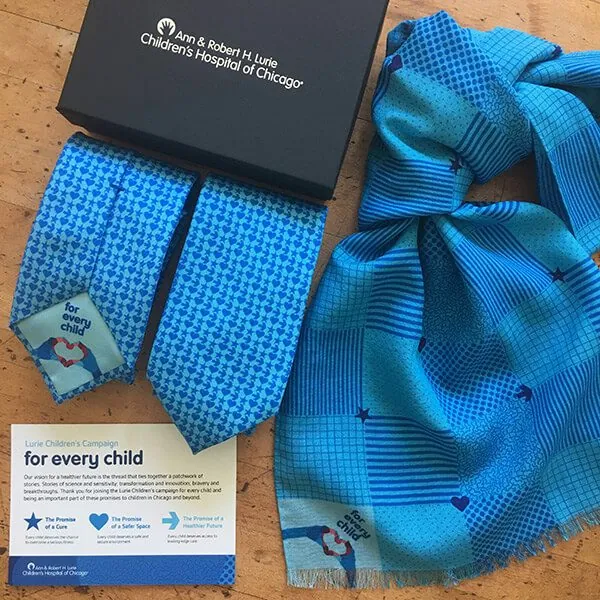
Lurie Children's Hospital in Chicago marked the launch of its For Every Child campaign with a pashmina and silk tie. Read about the Lurie Children's campaign launch gifts. A gift like that gives the campaign's closest supporters something to wear at its events, and anyone who asks about it hears about the campaign.
A long-standing review of hospital fundraising by The Moran Company, written in 2011, names the factors behind a successful capital campaign: a mature development program, a project seen as necessary and even urgent, and committed staff and volunteer leaders. Timing comes into it as well. One executive director in that review regretted waiting 2 years between campaigns, which cost the program momentum.
Grateful patients give because of the care they received
2. Build a grateful patient program
A grateful patient program gives patients and families a way to thank the hospital through philanthropy. Physicians and nurses refer patients who express gratitude, and the foundation gets in touch after discharge, never while someone is still a patient. It takes a team of physicians, nurses, administrators and development staff to keep it running.
Federal privacy rules allow a hospital to use limited patient information for its own fundraising, provided every message offers a way to opt out (Title 45 of the Code of Federal Regulations, section 164.514(f)). Have your privacy officer confirm the details for your program. Our guide to grateful patient program best practices goes through the privacy rules and how referrals work in much more detail.
3. Run an appeal built on patient gratitude
Many hospitals run a Doctors' Day appeal that asks patients to honor a physician, but an appeal built on the patient's own gratitude can do better. The Association for Healthcare Philanthropy published 1 hospital's experience of moving its appeal from Doctors' Day to National Grateful Patient Day, and its authors concluded that "gratitude far outweighs physician recognition". Keep Doctors' Day for thanking physicians, as our Doctors' Day gift guide suggests.
4. Invite honor and memorial gifts
Some patients want to honor a nurse or physician who cared for them, and some families give in memory of someone they lost. Make it easy to do either online or on paper. When a gift names a caregiver, tell the caregiver, with the donor's permission, and thank the donor for the tribute as well as the gift.
Physicians and staff are partners as well as donors
5. Recruit physician champions
Physician champions give to the foundation themselves, and they help it in person by introducing grateful patients or speaking at events. The Moran Company's review found that physicians respond to appeals that match their own interests, such as their department, medical education and research, and that bringing physicians onto the foundation board and into other volunteer roles strengthens the relationship.
6. Run an employee giving campaign
Staff giving builds awareness as well as funds, because employees who give become ambassadors for the hospital. The same review recommends an annual drive with payroll deduction, and a word about giving at new-hire orientation. Open the campaign with an internal kickoff that shows staff exactly what their gifts pay for.
Recognition for physicians and staff
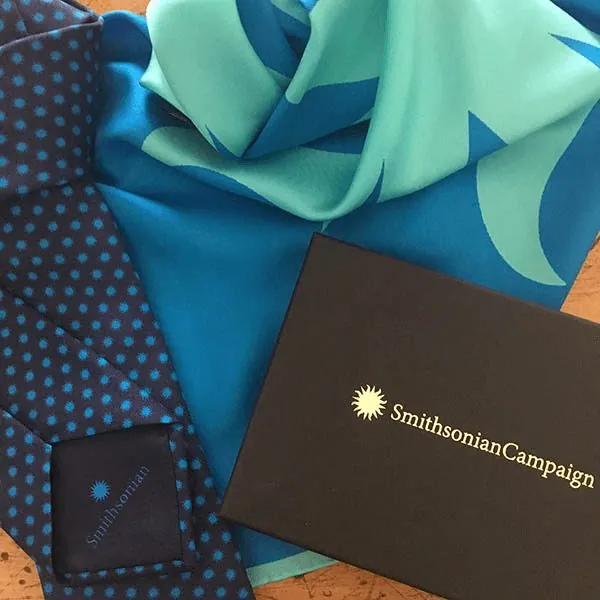
A lapel pin in the hospital's colors, from $15, works for every employee donor. For physician champions, a bespoke silk tie from $48 or a bespoke silk scarf from $65 marks a larger contribution. Gifts to physicians, especially those not employed by the hospital, need a word with your compliance office first; our Doctors' Day guide explains why.
Giving societies and naming keep major donors close
7. Create a leadership giving society with named levels
A giving society offers major donors a group to belong to, with a name for the level of their commitment. Each level should have its own benefits and recognition gift. We would draw all of the gifts from a single design, so a member who moves up can see the progression in what they receive. Our page on stewardship gifts for giving societies has more.
The entry level
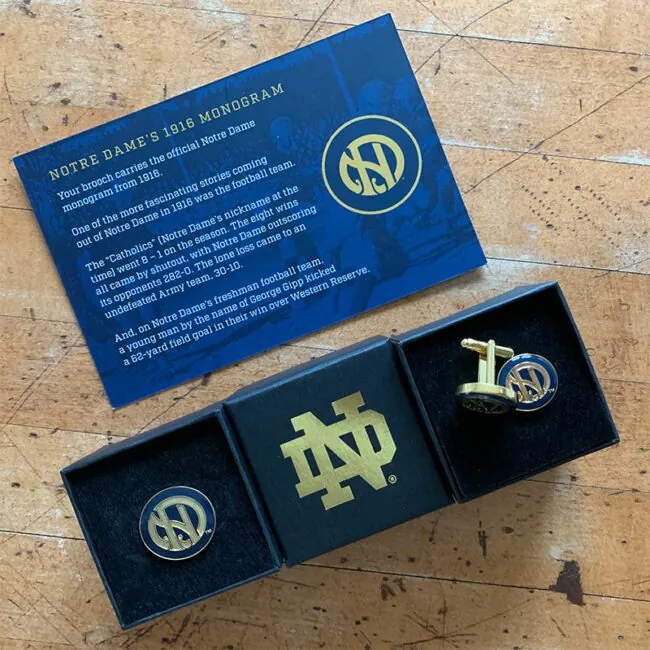
A lapel pin from $15, or a brooch from $38, cast and enameled in the hospital's colors.
The middle levels
A bespoke silk scarf from $65 or a silk tie from $48, or a silk pashmina gift set from $90, hand-wrapped in a gold or silver foil-embossed box. The pashmina is a silk and wool blend with eyelash ends.
The top level
A cast-brass paperweight from $58, engraved with the crest, or a merino throw woven in the hospital's colors, from $88.
These are starting prices, and the final cost depends on the design and the quantity.
8. Offer naming and tribute opportunities
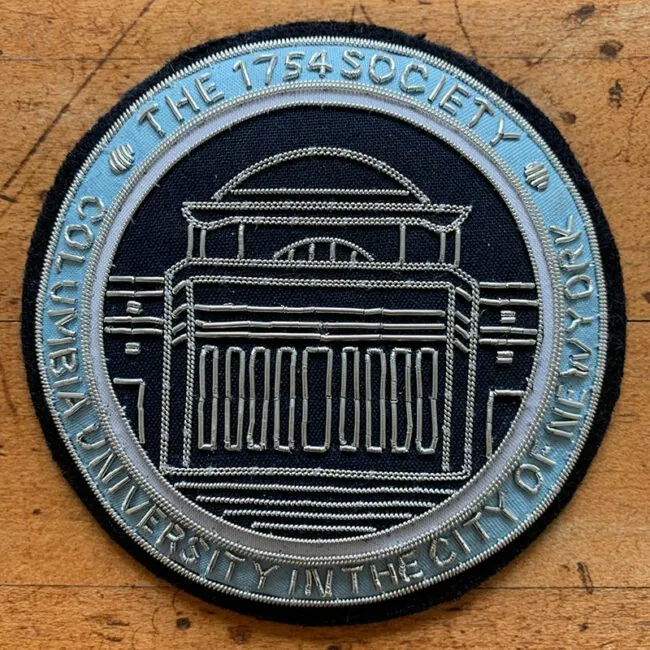
Naming gives a gift a permanent place in the hospital, on anything from a department or a piece of equipment to a garden bench or a line on the donor wall. Pair it with something the donor can take home. Our guide to donor wall ideas covers both.
9. Start a heritage society for planned gifts
A heritage society thanks donors who include the hospital in their will or make another planned gift, often years before the hospital receives it. A pin or brooch for members and an annual lunch keep them close. See our guide to thanking planned giving donors.
Events and community fundraisers widen the circle
10. Hold a signature event with sponsors
A gala with an auction gives the community an annual date with the hospital, and so does a golf tournament or a 5K. Sponsors can cover much of the cost. Alexander Haas notes that events such as galas and walks reach a wide public and give grateful patients and families a way to take part. Honorees and sponsors deserve their own thanks, and our fundraising gala ideas and sponsorship gifts guides cover both.
11. Welcome community fundraisers
Many people want to raise money for the hospital that cared for them or their child, with birthday fundraisers, bake sales, walk-a-thons and restaurant nights. Give them a simple page to start from and a named contact at the foundation, along with a short guide to using the hospital's name and logo. Thank every group publicly, and invite the larger ones to see what their money bought.
Companies can take part too. A company might sponsor a department or run a cause marketing promotion, and some will match their employees' gifts. Treat a corporate partner like a major donor, with a named contact and a report each year.
Foundation boards lead by giving first and opening doors
12. Build a board that gives first and asks alongside staff
A foundation board can do things staff cannot, starting with giving first, before anyone else is asked. Directors also open doors for the foundation and host donors on its behalf. Alexander Haas recommends having 1 or 2 members serve on both the hospital and foundation boards, and having the boards meet jointly at least once a year. It also calls the hospital chief executive the foundation's greatest fundraising asset, because a commitment carries more weight when the chief executive leads the conversation.
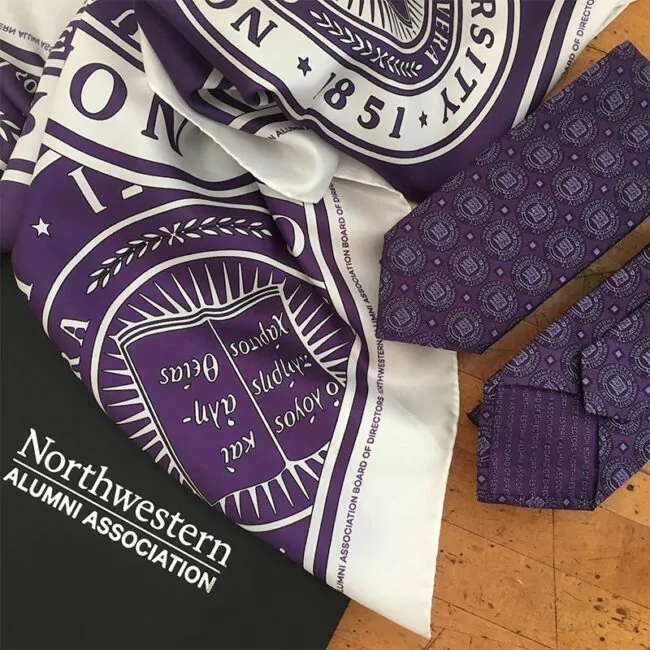
Thank directors at the end of a term with a gift that carries the hospital's crest. See our gifts for foundation board members and our guide to gifts for board members.
Recognition closes the loop on every idea
Every idea above ends in thanks. The Moran Company's review describes hospitals that acknowledged gifts promptly and personally and called every donor above a set amount, then reported back on how the gifts were used. Our donor stewardship guide sets out a calendar for doing the same, and our guide to donor impact reports shows how to report back.
Draw recognition gifts from the hospital's story
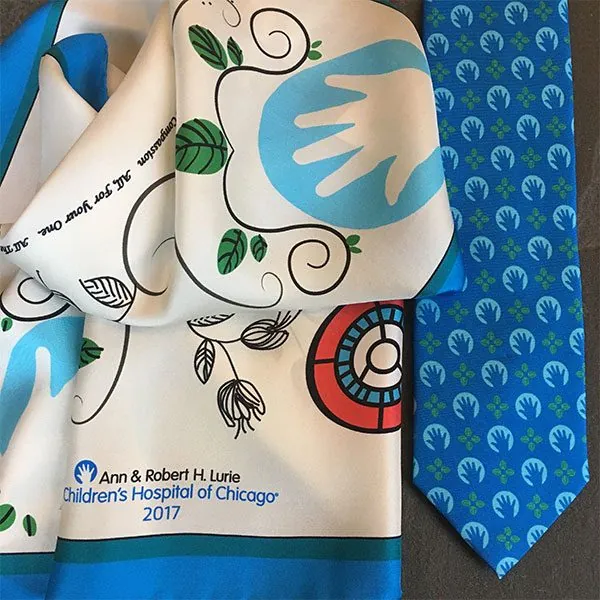
The best recognition gifts look as if they could only have come from your hospital. For Lurie Children's Hospital we designed a silk scarf and tie with a student from the Art Institute of Chicago. We draw every gift from scratch around the client's colors and crest, and we never sell the design to anyone else. Emma, our designer and co-founder, draws each one by hand, and we make samples for your approval.
"We cannot thank you enough for the extraordinary heirloom-quality gifts that reflect our deep appreciation for our Benefactors. With your help, we have created unforgettable memories that they will carry with them and share within the Notre Dame community. Collaborating with you has been a true delight!" Jessica Reasons, The University of Notre Dame
Presentation carries the thanks
Each gift arrives hand-wrapped in a foil-embossed presentation box branded for the hospital, with the thank-you message on a notecard and the gift's provenance on the reverse. If the design comes from a building or a piece of art, use the card to say which one, and why you chose it.

Plan 8 to 16 weeks ahead
Most projects take 8 to 16 weeks, and the requested minimum is 125 per design. Work back from the date you need the gifts, whether that is a campaign launch or a society dinner, and ask us about timing. You can read how a Harris Made project works and see our work for hospitals and health foundations. When you have a date, start a project with us.

Frequently asked questions
What is healthcare philanthropy?
Healthcare philanthropy is charitable giving to hospitals, health systems and health charities, often through a hospital foundation. Grateful patients and families, physicians, staff, companies and private foundations all give.
What is a hospital foundation?
A hospital foundation is a separate nonprofit that raises and manages gifts for a hospital. In the words of Alexander Haas, "the foundation exists to support the hospital", so its priorities follow the hospital's strategic plan.
What are the best fundraising ideas for a hospital foundation?
A grateful patient program, a leadership giving society, an employee giving campaign, a signature event and a heritage society for planned gifts, with a campaign when there is a large project to fund. The table at the top of this guide compares all 12 ideas.
How do hospital foundations involve physicians?
As referrers of grateful patients, speakers at events, donors, foundation board members and the caregivers patients honor with gifts. Thank them too, perhaps with a note and a lapel pin, after checking any gift with your compliance office.
Can a hospital foundation use patient information for fundraising?
Within limits. Federal privacy rules allow a hospital to use limited patient information for its own fundraising, provided every message offers a clear way to opt out. Have your privacy officer confirm the details for your program.
How far ahead should we order recognition gifts?
Most bespoke projects take 8 to 16 weeks, and the requested minimum is 125 per design. Start as soon as the date of the launch or the society dinner is set, and ask us about timing.